

Biodiversity
The Environmental Observatory in place since 2007, one of the first in France
Observe and understand our surroundings to limit our impact on the environment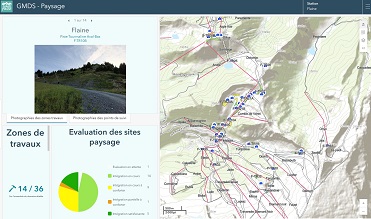
Integrating our work into the landscape
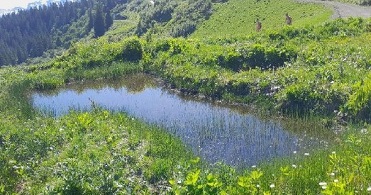
The state of conservation of natural environments
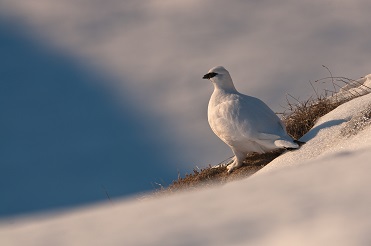
Monitoring black grouse and rock ptarmigan populations
A tool to measure and limit soil artificialisation in the region
- Reflecting on the medium- to long-term impact of our projects
- Consider compensatory measures at an early stage
- Keep as much as possible within existing developed rights-of-way
Our actions
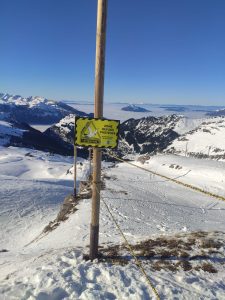
Beaconing sensitive areas…
Respect means protection!
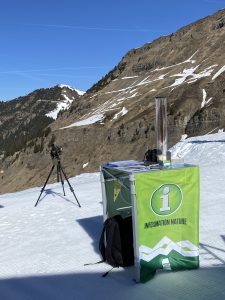
Roll-out of nature events
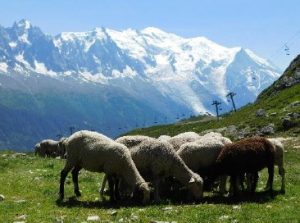
Observe wildlife, learn about the constraints of winter life for species in a ski area (adaptation to climate, access to food, predation), sensitivity to disturbance… These are the subjects you can discuss with Nelly at the start of the Désert Blanc chairlift and Fabrice in Samoëns (towards the picnic area at Lac des Gouilles) or Morillon, at the top of the Biollaires chairlift.
Odyssée aux Grandes Platières
The Désert de Platé, Europe’s largest lapiaz, remains an unforgettable geological and tourist attraction. With a breathtaking view of the Mont Blanc chain, discover the formation of the site as you travel back in time in the Nautilus (Grandes Platières gondola) in the company of Captain Nemo and his assistant. 2 trails to discover at the summit for the adventurous.
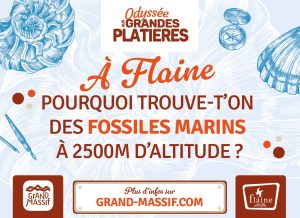
The plot: why are marine fossils found at 2500m altitude?
Find out more about Odyssée aux Grandes Platières
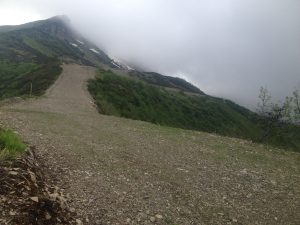
Soil revegetation action
Re-vegetation of land in a ski area is essential for restoring fragile ecosystems after the impact of piste development and operation. It helps to limit erosion and improve soil stability, reduce the impact on the landscape and restore biodiversity. We use locally produced seeds as much as possible with @Phytosem.
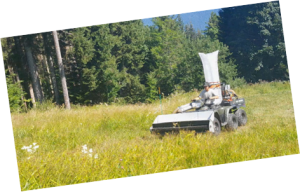
In situ seed collection
Where possible, we harvest the seeds directly in the field using a quad bike equipped with a seed vacuum cleaner. They are then sorted and stored in a dry place to be sown on site… It doesn’t get any more local than that!
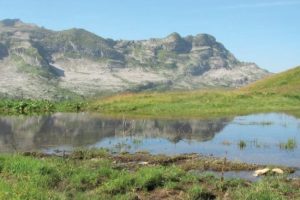
Wetland restoration
Restoring wetlands is key to preserving biodiversity, improving water quality and strengthening the resilience of ecosystems in the face of climate change. They are inventoried and their conservation status is monitored via the environmental observatory, in partnership with CEN Savoie.
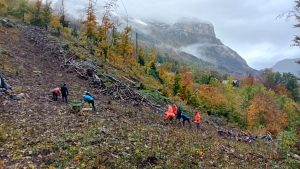
Reforestation of degraded forests on our land & management plan for our private forest in Flaine
Following the storm that hit the municipality of Magland in 2019, we signed an agreement with the CRPF to carry out reforestation operations aimed at achieving Low Carbon Label certification, in consultation with landowners who are members of the ASLGF. Our teams are actively participating in this planting campaign.
At the same time, we manage our own forest plots in Flaine, in accordance with a management plan administered by ASTERS and the Gestionnaires Forestiers des Alpes (Alpine Forest Managers).
The sale of piste maps for €1 directly contributes to the financing of this type of environmental project.
Partnership with SEA to develop pastoralism
An assessment of the relationship between GMDS and alpine farmers was carried out with the SEA (Société Economique Alpestre) in order to optimise collaboration as much as possible. We need the alpine farmers to maintain the tracks, and they need us for water and soil management, as natural vegetation remains the main resource. A little nod: AULP = alpine pasture…Communication work is also underway around guard dogs, notably with the pasto-kezako.fr app.